
Australia's Sweet Industry
Sugar Cane in Australia
From the tropical coast of Queensland to the river valleys of New South Wales, sugar cane farming shapes the landscape, the economy, and the culture of regional Australia.
Discover MoreWhat Is Sugar Cane in Australia?
Australia's Most Important Tropical Crop
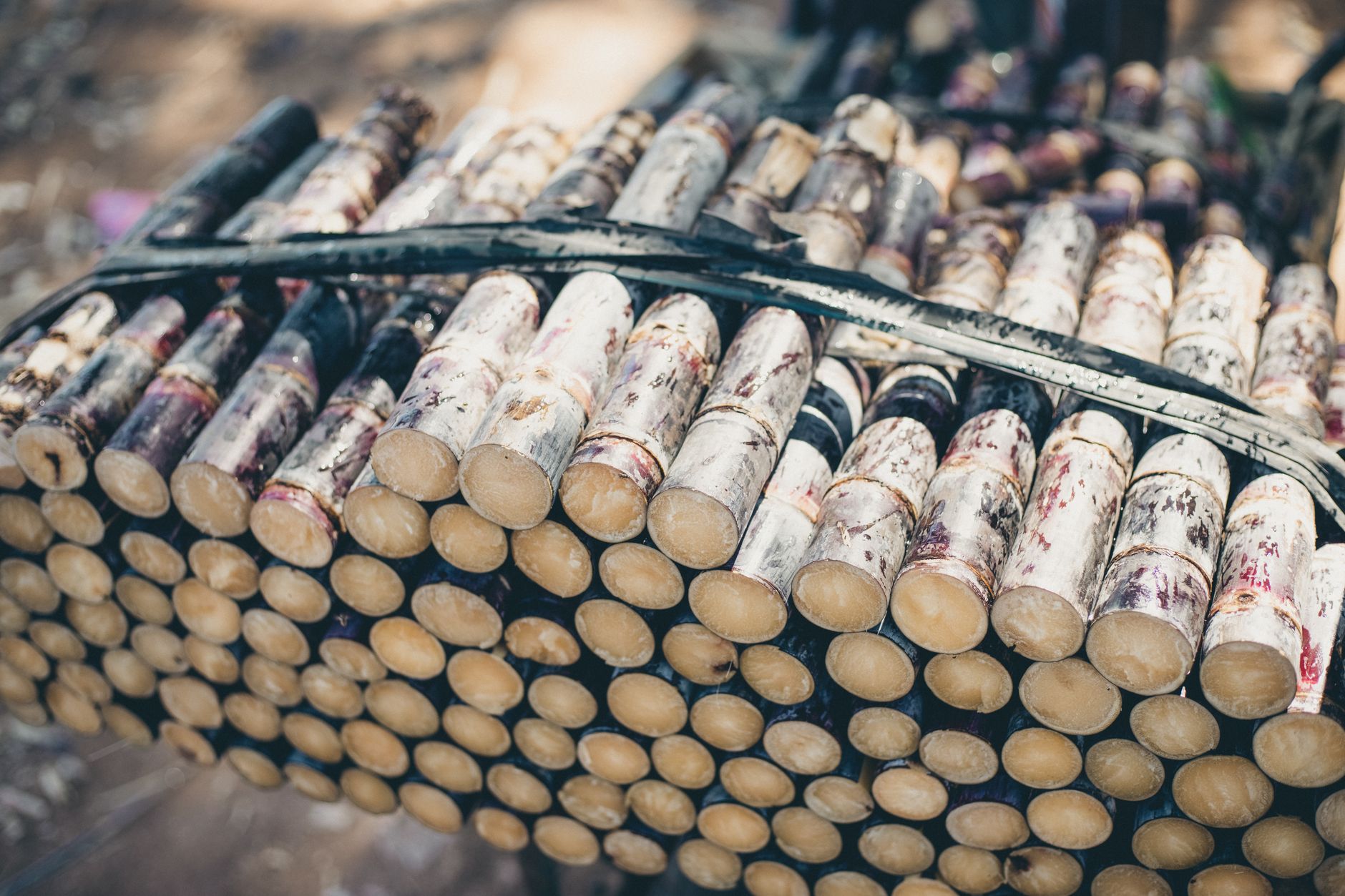
Sugar cane in Australia is a tall, perennial grass of the species Saccharum officinarum and related hybrids. Sugar cane in Australia grows primarily in narrow coastal strips where warm temperatures, high rainfall, and rich soils combine to produce some of the world's highest-yielding crops.
Cane sugar in Australia is produced by crushing the harvested stalks to extract juice, which is then clarified, evaporated, and crystallised into raw sugar. Australia exports the majority of that raw sugar to markets across Asia, the Middle East, and beyond, making it one of the country's most valuable agricultural commodities.
Sugar cane farming in Australia supports around 4,500 cane-growing families and directly employs tens of thousands of workers across milling, transport, and logistics. The industry produces roughly 4.5 million tonnes of raw sugar in a typical year.
Where Is Sugar Cane Grown in Australia?
Sugarcane is grown in Australia along a 2,100-kilometre coastal belt stretching from far north Queensland down through coastal New South Wales. Each region has its own soil type, rainfall pattern, and harvest window.
Far North Queensland
The Wet Tropics region, including Cairns, Innisfail, and Mossman, is the heart of Australian sugar cane farming. High annual rainfall and deep volcanic soils produce dense, sugar-rich cane. The Far North contributes a significant share of Queensland sugar output each season.
North Queensland
Townsville, Ayr, and the Burdekin delta are major cane-growing zones. The Burdekin district is one of the highest-yielding irrigated cane regions in Australia, with productive red soils and a reliable dry season that concentrates sugar content in the stalks.
Central Queensland
Mackay, known as the "Sugar Capital of Australia," sits at the centre of the country's largest single milling district. Sugar cane farming around Mackay accounts for a third of all Queensland sugar production.
South-East Queensland
The Wide Bay and Burnett regions, including Bundaberg and Maryborough, mark the southern limit of Queensland sugar cane country. Cooler nights and shorter seasons produce a distinct cane profile that suits local mills.
Northern New South Wales
The Tweed, Richmond, and Clarence river valleys carry sugar cane farming into New South Wales. The Broadwater and Condong mills process cane from these valleys. New South Wales represents the southernmost limit of commercial sugarcane growing in Australia.
Western Australia
Small-scale sugar cane trials and specialty crops exist in the Ord River Irrigation Area in the Kimberley. Western Australia's contribution to total output is modest, but the region shows the potential for expanding where sugarcane is grown in Australia.

The Growing Belt
A 2,100 km Cane Corridor
Sugar cane in Australia grows within a narrow coastal corridor that receives at least 1,200 mm of annual rainfall and rarely experiences frost. This corridor runs from Mossman in far north Queensland at roughly 16 degrees south latitude, all the way to the Clarence Valley in New South Wales at around 29 degrees south.
Within that belt, sugarcane is grown in Australia across 23 distinct mill regions, each with its own local farmers' cooperative or privately owned mill. The mill region defines the local sugar cane season, the harvest schedule, and the price growers receive for their cane.
- ✓ Approximately 400,000 hectares under cane nationally
- ✓ 23 active sugar mills across Queensland and New South Wales
- ✓ Around 4,500 grower families across all regions
- ✓ Raw sugar exported to over 50 countries
Queensland Sugar Cane Farming
Queensland: The Home of Australian Sugar
Queensland produces more than 95 percent of all sugar cane grown in Australia. Queensland sugar is the foundation of the national industry, from the mill towns of the tropics to the export terminals at major ports.

Sugar Cane in Cairns and Far North Queensland
Sugar cane in Cairns and the surrounding Wet Tropics grows in some of the most fertile conditions on earth. The region receives over 2,000 mm of rain annually. Sugar cane farming here extends from the tablelands to the coastal flats around Mossman, Babinda, and Innisfail.
The Mossman Mill, one of Australia's longest-operating sugar mills, processes cane from the northern reaches of the Cairns belt. Sugar cane fields near Cairns are a defining feature of the landscape, visible from the highway and from the air as you approach the tropics.

Mackay: The Sugar Capital
Mackay carries the title of Australia's Sugar Capital for good reason. Sugar cane farming around Mackay supports six mills and tens of thousands of hectares of cane country. Queensland sugar production in the Mackay district alone exceeds one million tonnes of raw sugar in a strong season.
Sugar cane in Queensland benefits from a well-developed rail tramway network in regions like Mackay, where cane bins travel from paddock to mill on narrow-gauge lines that crisscross the fields.
The Burdekin: Irrigated Powerhouse
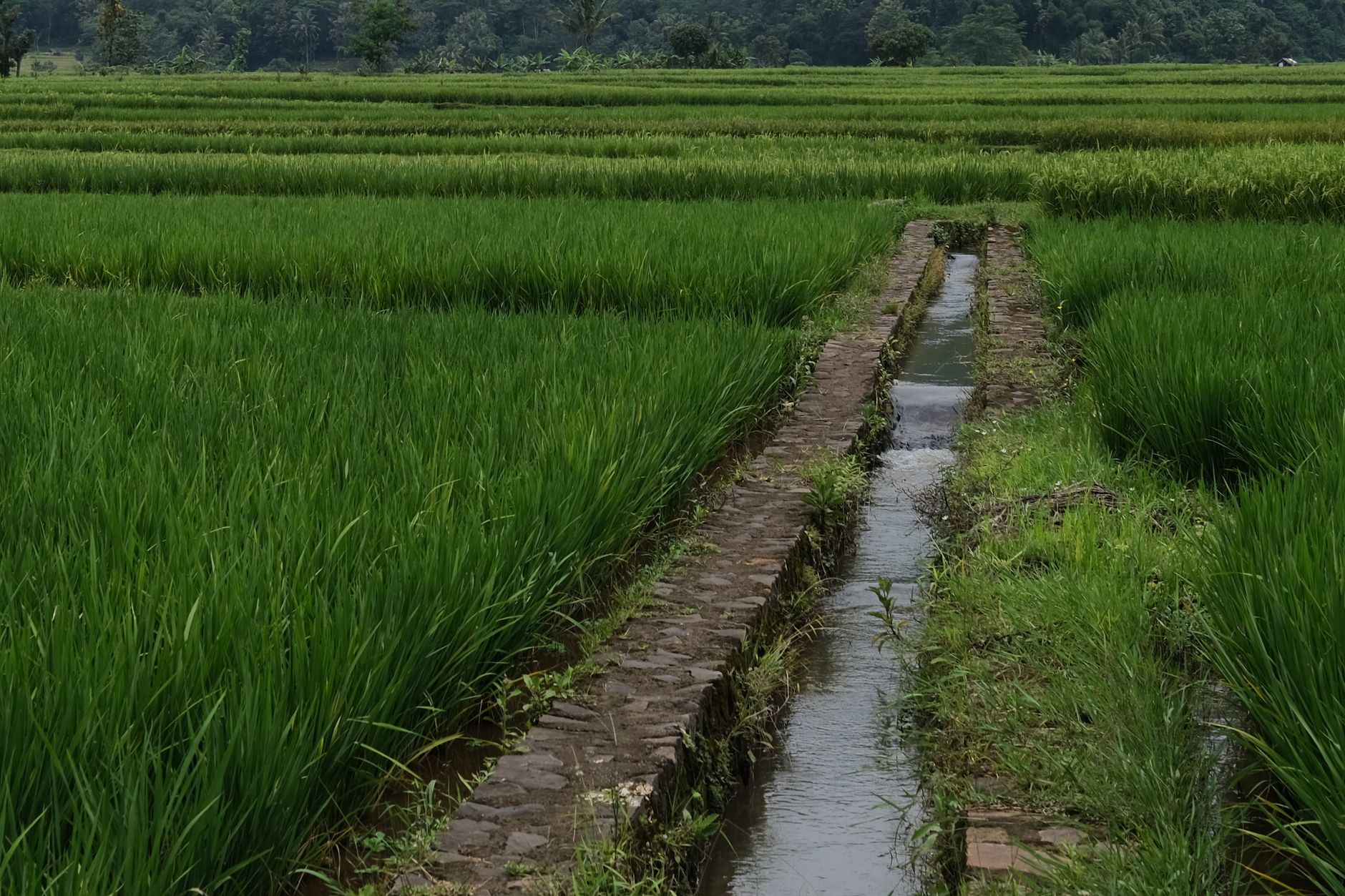
The Burdekin delta near Ayr and Home Hill is one of the most productive irrigated sugar cane regions in Australia. Sugar cane farming in the Burdekin relies on water drawn from the Burdekin River and the Burdekin Falls Dam.
Queensland sugar from the Burdekin is noted for its high CCS (commercial cane sugar) content, the measure of sugar yield per tonne of cane. Burdekin growers consistently record some of the highest CCS readings of any region in Australia.
Sugar Cane Season
When Is Sugar Cane Harvested in Australia?
The sugar cane season in Australia runs from around June to December, though the exact window shifts with latitude and local conditions. Understanding when sugarcane is harvested in Queensland requires knowing how the season progresses from north to south.
Harvest Begins in Far North Queensland
The sugar cane season in Australia opens in the far north. Sugar cane farming operations around Cairns, Mossman, and Innisfail begin harvesting from June, as the dry season arrives and cane reaches peak sugar content. Mechanical harvesters move through the cane fields, cutting stalks at ground level and chopping them into short billets.
Peak Harvesting Across Queensland
When is sugarcane harvested in Queensland at its busiest? July and August are peak months across most Queensland sugar cane regions. Mackay, Bowen, and Burdekin districts run harvesting operations around the clock during this period. Mills crush cane 24 hours a day, seven days a week, at maximum capacity.
Mid-Season: Central and Southern Queensland
Sugar cane harvesting moves south through September and October. The Bundaberg and Wide Bay regions are in full swing. Sugar cane in Queensland at this stage of the season benefits from cooler nights, which concentrate sucrose in the stalks and lift CCS readings.
Season Closes: New South Wales and Late Queensland
When is sugar cane harvested in Australia in its final phase? November and December mark the close of the season in southern Queensland and northern New South Wales. The Tweed and Richmond valleys finish their crush before the wet season rainfall arrives and makes paddocks inaccessible to heavy machinery.
Why Does the Season Start in June?
Sugar cane in Australia accumulates sucrose as the plant approaches the end of its growth cycle. The dry season in Queensland, running from roughly May to October, triggers this accumulation by stressing the plant into ripening. Harvesting during the dry season also keeps heavy machinery out of wet paddocks, reducing soil damage. The timing of the Australian sugar cane season is therefore set by both biology and practicality.
How Sugar Cane Farming Works
From Planting to Processing
Sugar cane farming in Australia is a ratoon crop system. After the first "plant cane" harvest, the root system regrows to produce subsequent crops called ratoons. A typical cane paddock in Queensland yields three to five ratoon crops before farmers replough and replant.
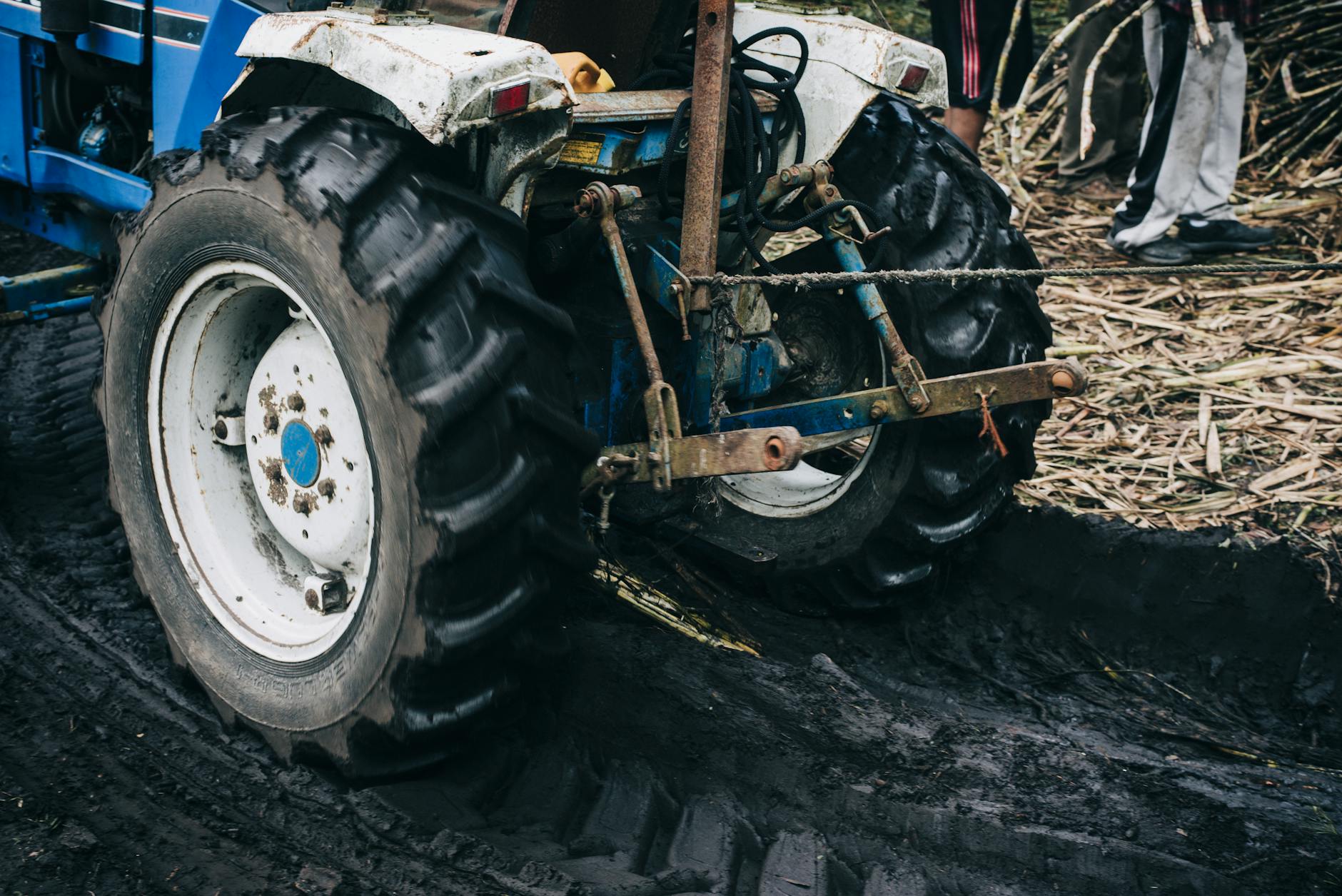
Mechanical harvesters cut the cane at ground level, strip the green tops and leaves, and chop the stalks into short billets. Those billets travel by cane bin, truck, or narrow-gauge rail to the nearest sugar mill, where crushing begins within 16 hours of harvest to prevent sucrose degradation.
Sugar cane farming in Australia increasingly adopts precision agriculture tools: GPS-guided tractors, soil moisture sensors, and yield mapping systems that help growers apply water and nutrients only where the crop needs them. The result is a leaner, more sustainable sugar cane season for the families who depend on it.

Explore Australian Sugar Cane Farming
Want to Learn More About Sugar Cane in Australia?
Sugar cane in Australia is a living story of farming families, tropical landscapes, and a global commodity grown in one of the world's most biodiverse regions. Explore the sections above to learn where sugarcane is grown, how the sugar cane season unfolds, and what makes Queensland sugar cane farming unique. You can also read about the history of sugar to understand how cane cultivation spread across the globe and eventually took root in Australia.
